
The Future of Interior Design: How Smart Lights Are Leading the Way
Smart lighting is becoming an essential component to interior design. The evolution of lighting in interior design has shifted focus with new technology and today that technology takes the form of smart bulbs and smart light switches. These provide better control and increase technological integration for modern homes.
Smart lights in contemporary living spaces, especially in Singapore, provide a way to better control the lighting in a given space to meet your needs, and to offer energy efficiency and overall convenience. So how are smart lights leading the way in modern design?
Customization and Flexibility
Smart lighting Singapore-based provides customization and flexibility.
Customization
Smart lights allow for mood and activity-based lighting adjustments, which are perhaps one of the biggest technological advancements that people can enjoy. For example:
- Smart lights can be programmed for the activity you are doing, making adjustments for things like reading versus working versus socialization.
- A smart light switch can help you create things like a spa in your own bathroom, and programming settings can automatically turn the lights on when you enter with a different color temperature for when you are getting ready for work versus heading to bed. You can even incorporate connectivity with other smart home systems so that music plays.
Smart Light Switches
The use of smart light switches actually enables seamless control and a user-friendly experience for those who are investing in this type of upgrade. If, for example, you are in the middle of a game night, you can use your smart switch to dim the lights or change which lights are on and off and then use that same control to switch everything back on when the movie is over, and everyone is getting ready for bed or to go home.
Integration with Smart Home Systems
The right types of smart lights and a corresponding smart light switch allow for integration with smart home systems.
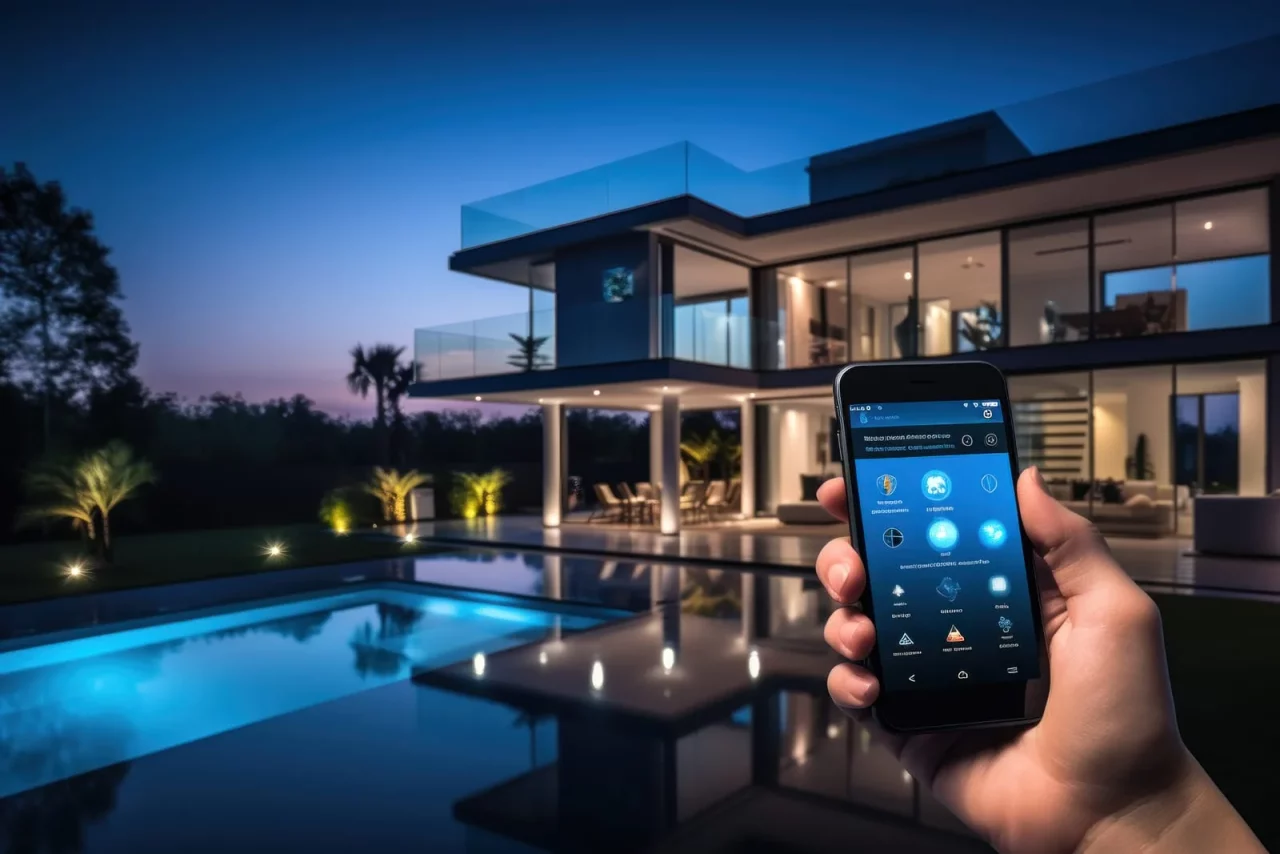
Smart lights integrate with smart home ecosystems in a way that facilitates overall control from things like smart light switches or your phone. You can control things like when your exterior lights turn on so that your lights are always on when you come home from work and into the garage.
Voice Control and Automation
Those homes that already have devices like Alexa, Google Assistant, and Siri can take advantage of voice control and automation. That same automation might include settings that link to playing the news from Alexa when you first go into the bathroom to get ready in the morning or turning on certain music from Siri when you are having a game night or dinner.
For example:
- With voice control, you can change the lighting in your living room by dimming the lights or turning on or off different colors based on the time of day.
- With automation, you can schedule your lights to turn on and off based on the time of day or the natural lighting in the room. If you have large windows, you might only need your lights to turn on if it’s particularly cloudy or if it’s evening, but certain automatic scheduling lets your smart lights determine the amount of natural light for you and make adjustments accordingly.
These smart lighting setups can enhance both functionality and convenience for any modern home.
Aesthetic and Functional Impact
Today, the use of smart light bulbs not only brings with it the benefits of multifunctional lighting and integration but also an improved aesthetic and functional impact.
Design Elements of Smart Lights
For starters, smart lights provide many design elements and functional lighting solutions. For example:
- A smart light switch in a bedroom can provide options for gradually dimming the light when the sun is setting to help individuals unwind.
- A smart light switch in a bedroom can also use accent features where you can schedule reading lights to turn off whenever you are set to go to bed, so you know when you have read enough and when it’s time to turn in.
- Smart light bulbs used in a living room can offer a dynamic lighting experience where you can change the color and the brightness based on whether you are having a social get-together, game night, or movie night.
- Bathroom lighting can also be programmed with smart light bulbs to automatically turn on whenever you come into the room and turn off when you leave, and to set different color temperatures based on morning or evening.
Current Smart Light Trends
Today there are additional trends in smart lighting design that have to do with minimalist and invisible fixtures. Smart lighting can be incorporated in a recessed environment or added to things like bathroom mirrors so you don’t have additional bulbs and fixtures that stick out or impede your design.
Ambiance
Smart lighting singapore-based offers overall ambience and efficiency in your living spaces by allowing customization for things like changing the color temperature of a space based on the day or night, taking into consideration what you are doing so that you have immersive movie experiences with softer light or better brightness when it’s the middle of winter and the sun goes down at 4:00 in the afternoon but you still have work to do.
Choosing to integrate smart light bulbs into your existing space with customizable options to automatically turn on and off at set times or with movement helps improve the efficiency of your space, keeping things at the appropriate level of brightness and the right tone while also avoiding any unnecessary waste.
Conclusion
Overall, it’s important to embrace the future of interior design with smart lighting. There are several benefits to adopting smart lighting in your interior design, namely customization, integration, and aesthetic enhancement. Adopting smart lights is essential for future-proofing modern homes and staying ahead of design trends.