
The Surprising Benefits of Smart Lighting You Didn’t Know About
Smart lighting sets the mood of your life and impacts how you use each space in your home. Gone are the days when illuminating a room meant simply flipping a switch. Today’s smart lighting transforms homes in ways that extend far beyond mere convenience.
While most homeowners initially install these systems for their novelty, the true benefits of smart lighting reach into surprising areas of daily life. This article explores both the obvious and unexpected advantages, helping you discover the perfect lighting solutions for comfort, safety, and well-being.
What Is Smart Lighting?
Smart lighting refers to illumination systems that connect to home networks and respond to remote commands. Unlike conventional fixtures trapped in the on/off paradigm of traditional switches, smart lighting creates an ecosystem that interacts with you exactly as it should, where you dominate it, not the other way around.
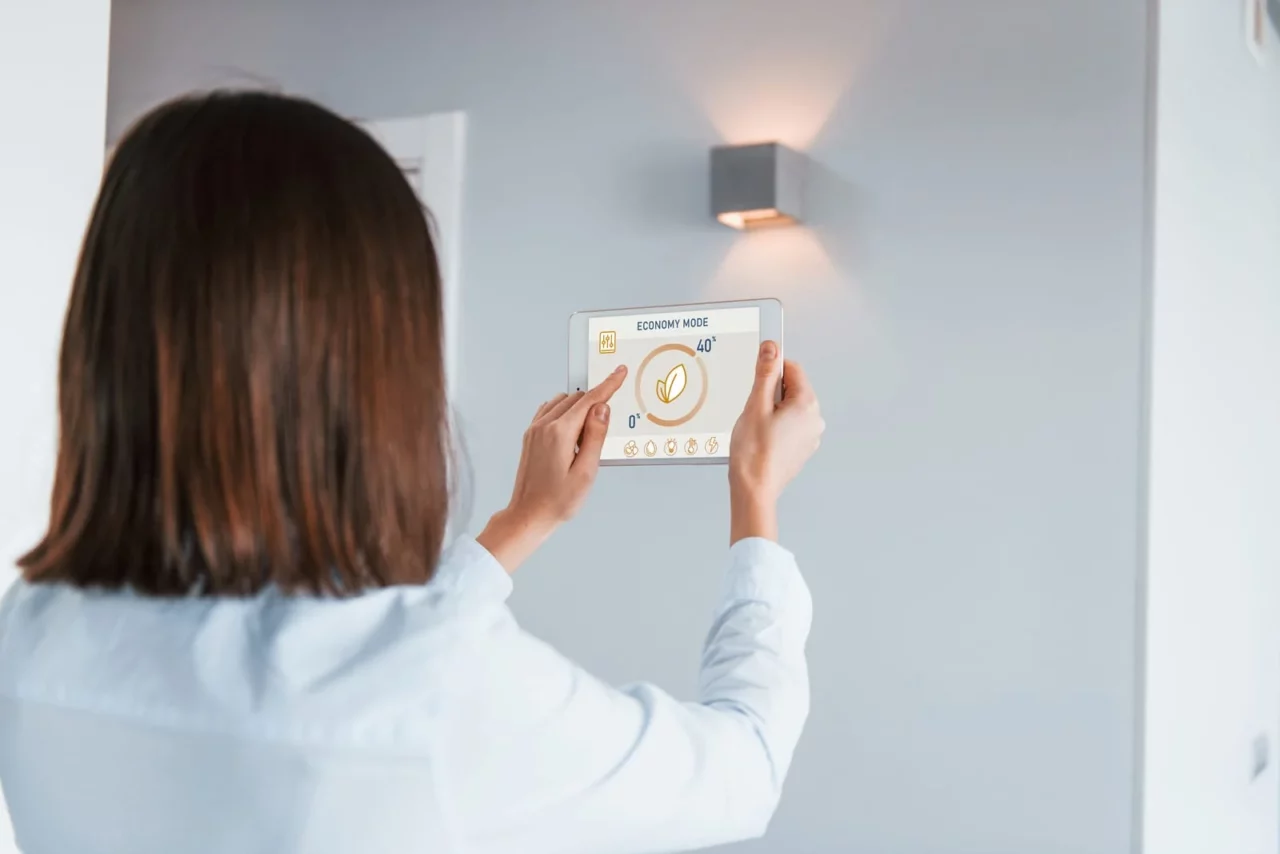
These systems respond through smartphones, voice commands, or pre-programmed routines, giving unprecedented control over when, how brightly, and even what color your lights shine.
Role of Smart Lighting Control Systems
Smart lighting control systems form the nervous system of this illumination revolution. They process inputs from various sources — apps, sensors, timers, other devices — and translate them into lighting responses that match your needs. These systems range from straightforward smartphone interfaces controlling a few bulbs to sophisticated platforms orchestrating entire homes.
Common Benefits of Smart Lighting
Energy Savings
The reduction in energy consumption stands as perhaps the most tangible benefit of smart lighting. Traditional fixtures waste electricity, burning in empty rooms or blazing at full intensity regardless of actual needs.
Smart systems eliminate these inefficiencies through occupancy detection, scheduling, and dimming capabilities. Most households witness 15-30% decreases in lighting-related electricity consumption after installation.
Convenience and Remote Control
Controlling lights without physical interaction revolutionizes daily routines in ways that seem small but accumulate into significant quality-of-life improvements. Forgotten bedroom lights can be extinguished from anywhere with internet access. Arriving home after dark becomes less disorienting when entry areas illuminate automatically upon your approach.
This convenience extends beyond the home itself — creating the appearance of occupancy during travel provides both security benefits and peace of mind, allowing homeowners to truly disconnect during vacations rather than worrying about their empty house.
Customization Options
Smart lighting transforms environments based on activities, moods, or preferences without requiring complex wiring. Cooking demands bright illumination, while evening relaxation benefits from warmer, softer lighting that signals the body to prepare for rest.
Entertainment spaces shift atmosphere instantly with color-changing capabilities, while reading areas maintain optimal brightness without harsh glare.
These customizations often involve pre-programmed “scenes” activated through simple commands, creating perfectly balanced environments for any situation — your home becomes responsive to your life rather than forcing adjustments to static lighting conditions.
Surprising Advantages of Smart Lighting
Improves Mood and Sleep
Beyond aesthetics, smart lighting subtly influences mood, focus, and sleep patterns, shaping the atmosphere of each space. It pressures our psychology and emotions, subtly tweaking our psyche. The human body evolved responding to natural daylight patterns, with bright morning light triggering wakefulness hormones and darkness signaling sleep preparation.
Smart lighting can mimic natural progression, providing energizing blue-spectrum light during productive hours while transitioning to warmer, melatonin-friendly illumination as evening approaches.
Users report improved sleep onset and better morning alertness after implementing lighting programs that respect the body’s natural rhythms rather than fighting against them.
Enhances Security
The security advantages of smart lighting remain surprisingly overlooked. Unlike obvious timer-based systems that activate at identical times daily — essentially announcing their automated nature — smart lighting creates convincing occupancy illusions through varying patterns and responsive behaviors that mimic human presence.
Motion-triggered exterior lighting discourages unwanted visitors, while unusual activity inside vacant homes can trigger lighting responses suggesting occupancy. This deterrent effect works silently without requiring costly monitoring services — a passive security layer that functions whether someone is home or thousands of miles away.
Boosts Productivity
Light temperature dramatically impacts human productivity and focus. Smart lighting enables optimized environments based on specific activities without requiring dedicated spaces for different tasks.
Detail-oriented work thrives under cooler, brighter illumination that enhances alertness and visual perception. Creative tasks flourish under warmer, moderately bright conditions that reduce eye strain while maintaining engagement. The ability to transition between these environments without changing locations increases productivity throughout changing daily requirements, particularly valuable in today’s era of multipurpose home spaces.
Reduces Maintenance
Maintenance reduction stems primarily from the LED technology utilized in most smart lighting products. These bulbs typically last 15-25 times longer than incandescent alternatives, dramatically decreasing replacement frequency. Many systems monitor performance and alert users when fixtures begin deteriorating, preventing unexpected outages.
This proactive approach eliminates both the frustration of sudden darkness and the inconvenience of emergency replacement shopping — your home’s lighting becomes self-monitoring rather than requiring constant oversight.
Helps the Elderly and Accessibility
For individuals with mobility limitations or age-related challenges, traditional lighting controls present genuine barriers. Smart lighting removes these obstacles through voice activation, automation, and remote access options not available with conventional systems.
Motion-triggered illumination prevents dangerous navigation through dark spaces. Voice commands eliminate the need to locate physical switches. Customizable brightness settings compensate for vision challenges, while remote monitoring capabilities allow caregivers to verify appropriate lighting conditions without intrusive check-ins.

Choosing Smart Lighting Solutions
What to Consider When Buying
Several key factors deserve consideration before purchasing:
- Compatibility with existing home systems and devices
- Connection requirements and balance between feature complexity and user-friendliness
Recommended Systems and Setup Tips
Begin with the main living areas before expanding throughout the home. Standard-size replacement bulbs offer simpler installation than switch replacements, though the latter provide more seamless integration with existing fixtures.
Regardless of the system chosen, maintaining some manual control options ensures functionality during network outages and accessibility for guests unfamiliar with digital interfaces.
Looking Ahead
Environmental Benefits
Beyond household savings, widespread smart lighting adoption creates broader environmental advantages through decreased energy demand and reduced manufacturing impact due to longer product lifecycles.
Future Trends in Smart Lighting Tech
The industry continues to rapidly develop, with emerging technologies including health-responsive systems adapting to occupant needs and enhanced integration with other home systems.
Smart Lighting: A Worthwhile Investment
The advantages of smart lighting solutions extend far beyond novelty appeal, touching multiple aspects of daily life from practical benefits like energy savings to wellness improvements through better sleep and increased productivity.
As technology advances while becoming increasingly affordable, smart lighting represents both an immediate lifestyle enhancement and a future-proof investment in home functionality.
Ready to transform your living spaces? Start with a single room to experience the benefits of smart lighting firsthand. Identify the area where improved lighting would make the most immediate difference — perhaps a home office for productivity or the bedroom for better sleep — and begin there.
Explore different systems, experiment with settings, and discover how smart lighting can enhance not just your home, but your wellbeing. Take the first step toward a brighter, more responsive home environment today.